Daily Pulse: The $125B RPM Market and the Shift to Clinical Wearables
How the $125B pivot from consumer gadgets to clinical infrastructure is delivering a 3:1 ROI and dictating the next decade of healthcare strategy.

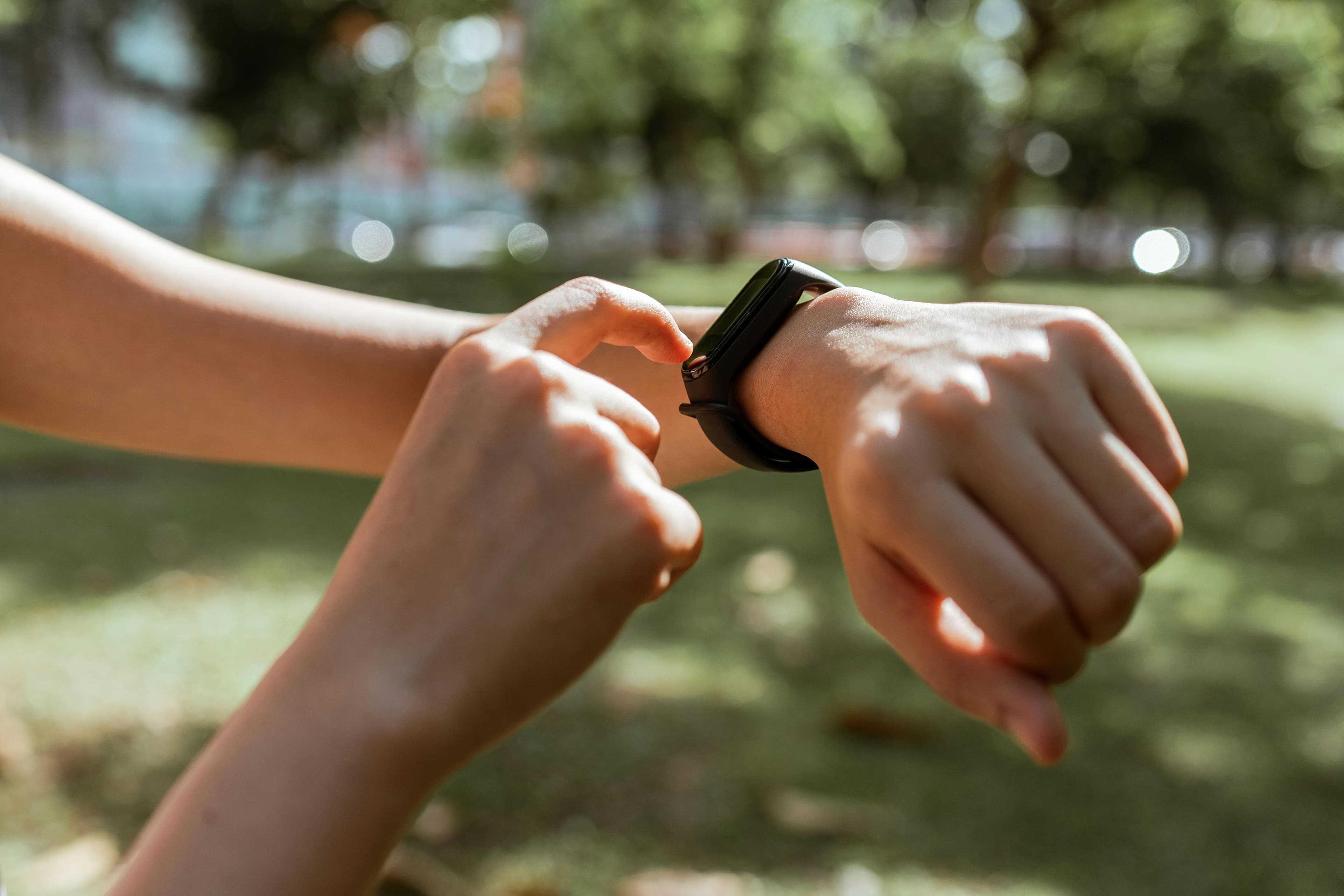
A daily intelligence briefing on the policies, pipelines, and partnerships shaping the global digital health industry.
With the combined market for Remote Patient Monitoring (RPM) and medical wearables surpassing $125 billion in 2026, the technology has officially transitioned from consumer novelty to foundational clinical infrastructure.
Based on the latest 2026 data and analyses from Fortune Business Insights, Gitnux, and Coherent Market Insights, here are the critical developments you need to know today:
Market Maturation & Clinical Legitimacy
- The End of the Basic Fitness Tracker: Gitnux reports that while 36% of U.S. adults use health wearables, only 26.5% successfully share that data with providers. To close this gap, manufacturers are aggressively pivoting away from simple data-capture peripherals toward FDA-cleared, decision-support tools.
- RPM Dominates the Sector: According to Coherent Market Insights, the remote patient monitoring application now dominates the wearable medical device space. By capturing a massive 33.5% market share, rigorous clinical integration is the new standard over pure consumer wellness.
Explosive Scaling and Business Development
- Massive Market Expansion: Driven by chronic disease prevalence and a shift toward home-based care, Fortune Business Insights notes the RPM devices market alone reached $71.29 billion and is projected to scale at a massive 19.16% CAGR. North America currently dominates this expansion, driving rapid strategic partnerships and early-stage asset licensing to capture the demand for continuous care outside the hospital.
The ROI Reality
- Measurable Financial Returns: The financial returns for health systems are no longer theoretical. Gitnux data shows that implementing RPM networks actively cuts hospital stays by an average of 2.5 days, saving $5,000 per admission. Overall, enterprise providers are currently seeing an average ROI of 3:1 within the first 12 months of deployment.
Stay Ahead of the Curve
Change of this magnitude requires organizations to prioritize both technology and the operational strategies that support it. Don't miss out on the critical information driving the future of medicine and healthcare industry.
Sign up for our newsletter to get exclusive updates curated for forward-thinking healthcare leaders.